
Rethinking Women’s Health
from the Organoid Level
Modeling real human biology to improve how therapies are discovered & developed.
Patient-derived
uterine organoids
For faster, more accurate
R&D in endometriosis,
fibroids & beyond.
Opal Therapeutics is a women’s health biotech company developing lab-grown uterine models, including endometrial & myometrial organoids.
Aiming to transform how we study and treat conditions like fibroids, endometriosis, & other gynecological disorders.
OUR MISSION
R&D services & therapeutic development for women’s health
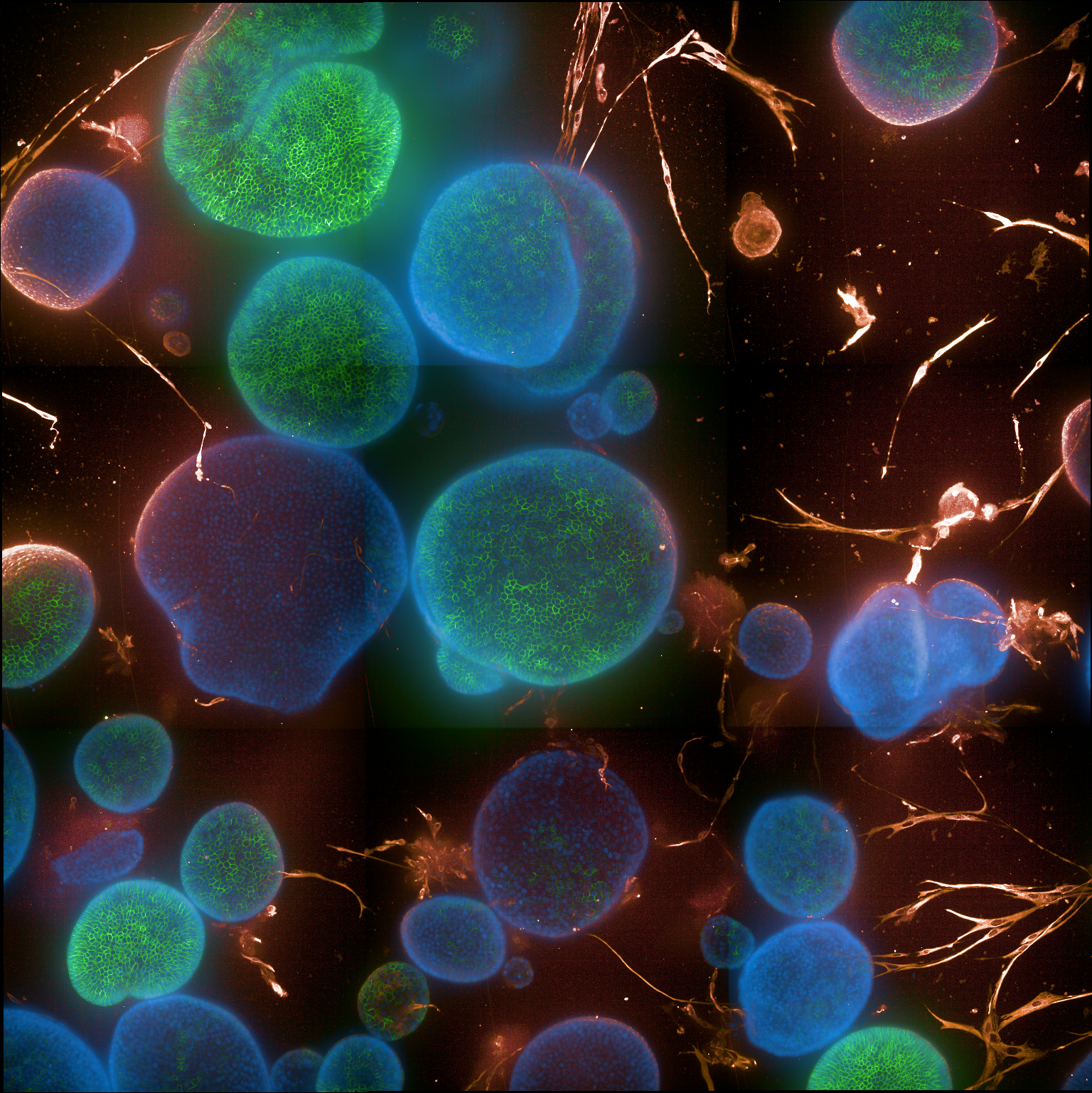
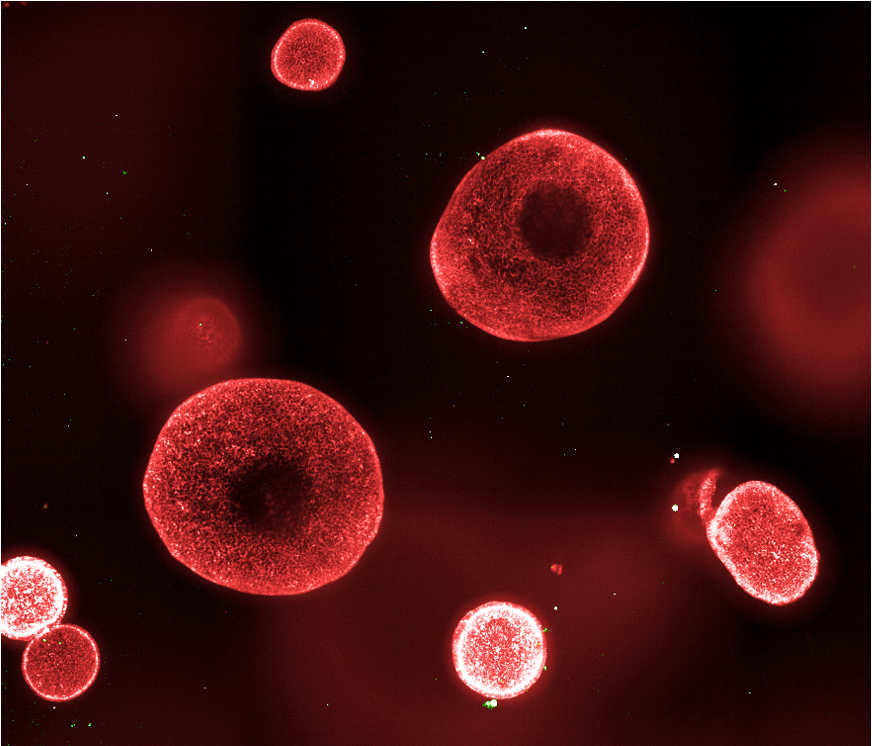
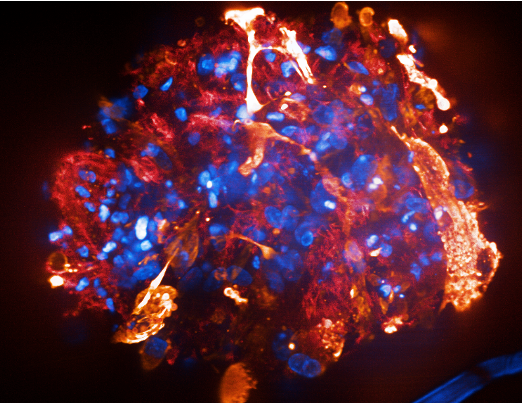
We use patient-derived uterine organoids that mimic the structure and biology of real human tissue. Our models provide a more accurate, scalable, and clinically relevant platform for developing and testing treatments in women’s health.
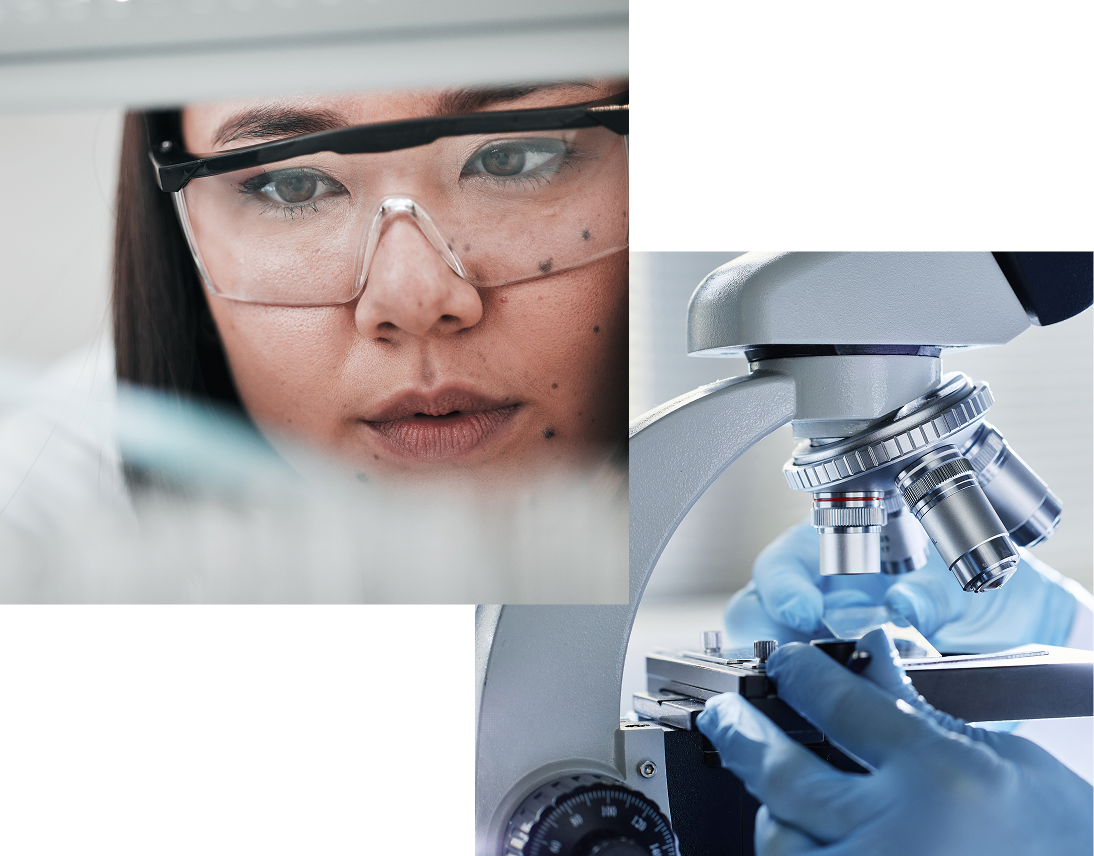
Traditional rodent models don’t replicate key features of the female reproductive system, like menstrual cycling or uterine tissue dynamics, making them unreliable for developing effective treatments in women’s health.
Frequently Asked Questions
-
Endometriosis occurs when cells similar to the lining of the uterus grow outside of the organ, sometimes causing pain, infertility and heavy menstrual bleeding. It is a chronic condition affecting 5-10% of reproductive aged women. The disease can present different characteristics depending on the patient including lesions, cysts, scaring, and adhesions. Official diagnosis is only permitted through visualization during surgery and thus accurate diagnosis takes years for many patients. Treatment typically involves surgery to remove or destroy all visible disease, however this does not always eliminate pain and there is no guarantee the disease will not return.
-
Uterine fibroids are the most common tumor, affecting up to 70% of women. Fibroids size and count can vary between patient to patient. Although benign, fibroids are the lead cause of hysterectomies and cause severe gynecological dysfunction including heavy bleeding, infertility, and pre-term labor. Fibroids are initiated when normal myometrium stem cells are “induced” into tumor initiating stem cells and promote fibroid growth. The most common driver mutation of fibroids are MED12 missense mutations, but no therapeutics have yet been identified to treat the problem. For now, most women undergo surgery to have the fibroid removed, however, like endometriosis, there is no guarantee the fibroids will not return.
-
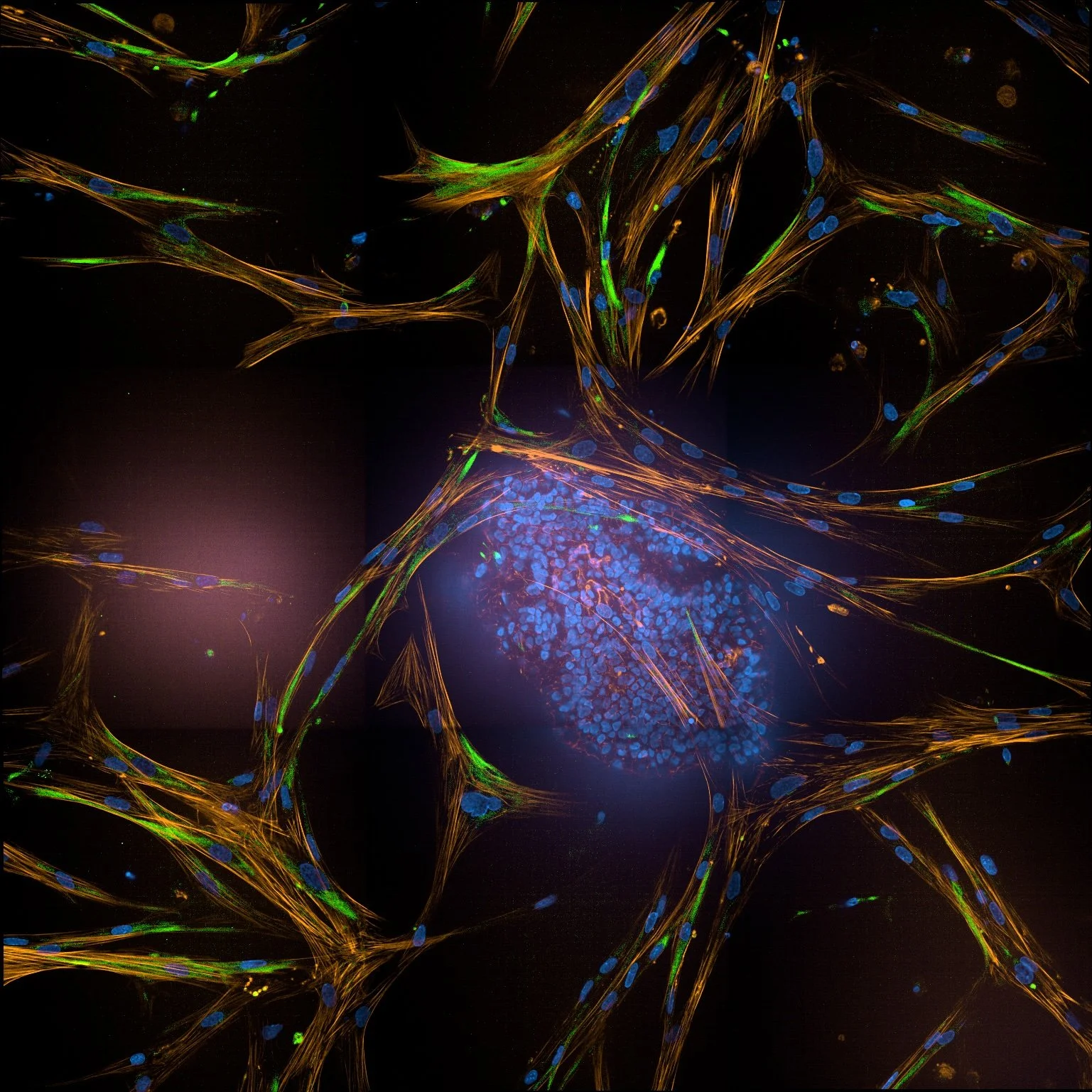
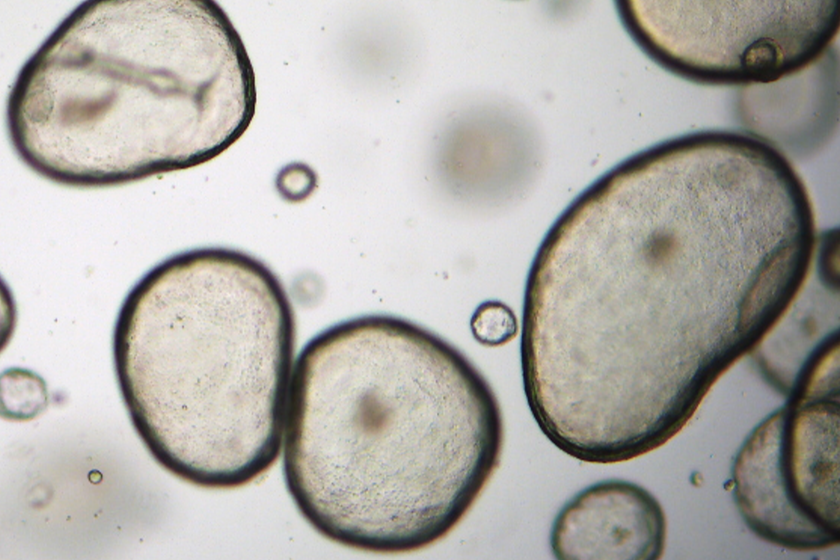
Organoids are 3D models created from human cells that mimic the structure and function of real human organs, though in a simplified form. They offer more complexity than traditional 2D cell cultures, yet are easier to study than full tissue samples. Because they’re made from human tissue, organoids provide a more accurate and translatable model for drug testing than rodent studies.
At Opal Therapeutics, we’ve developed two types of uterine organoids: endometrial and myometrial. The endometrial organoids replicate the uterus's inner lining, while the myometrial organoids mimic the smooth muscle layer. Together, these models allow us to create human-relevant systems for studying endometriosis and uterine fibroids, laying the groundwork for our drug discovery platform. By closely replicating the unique cellular environment of these conditions, our organoids enable more accurate screening and identification of potential therapies, moving us closer to effective, targeted treatments for women’s health.
-
Opal Therapeutics is a biotechnology company building human-relevant models of the uterus to accelerate drug discovery in women’s health. Using patient-derived organoids and advanced AI-driven analysis, Opal enables researchers to study diseases like endometriosis and uterine fibroids in systems that more accurately reflect human biology.
Our platform, “uterus-in-a-dish," captures patient-specific disease phenotypes across multiple assay modalities, including imaging, molecular profiling, and functional readouts. This allows for more predictive testing of therapeutics and deeper insight into disease mechanisms.
See all FAQs here

Next-Gen Research,
Based in San Francisco
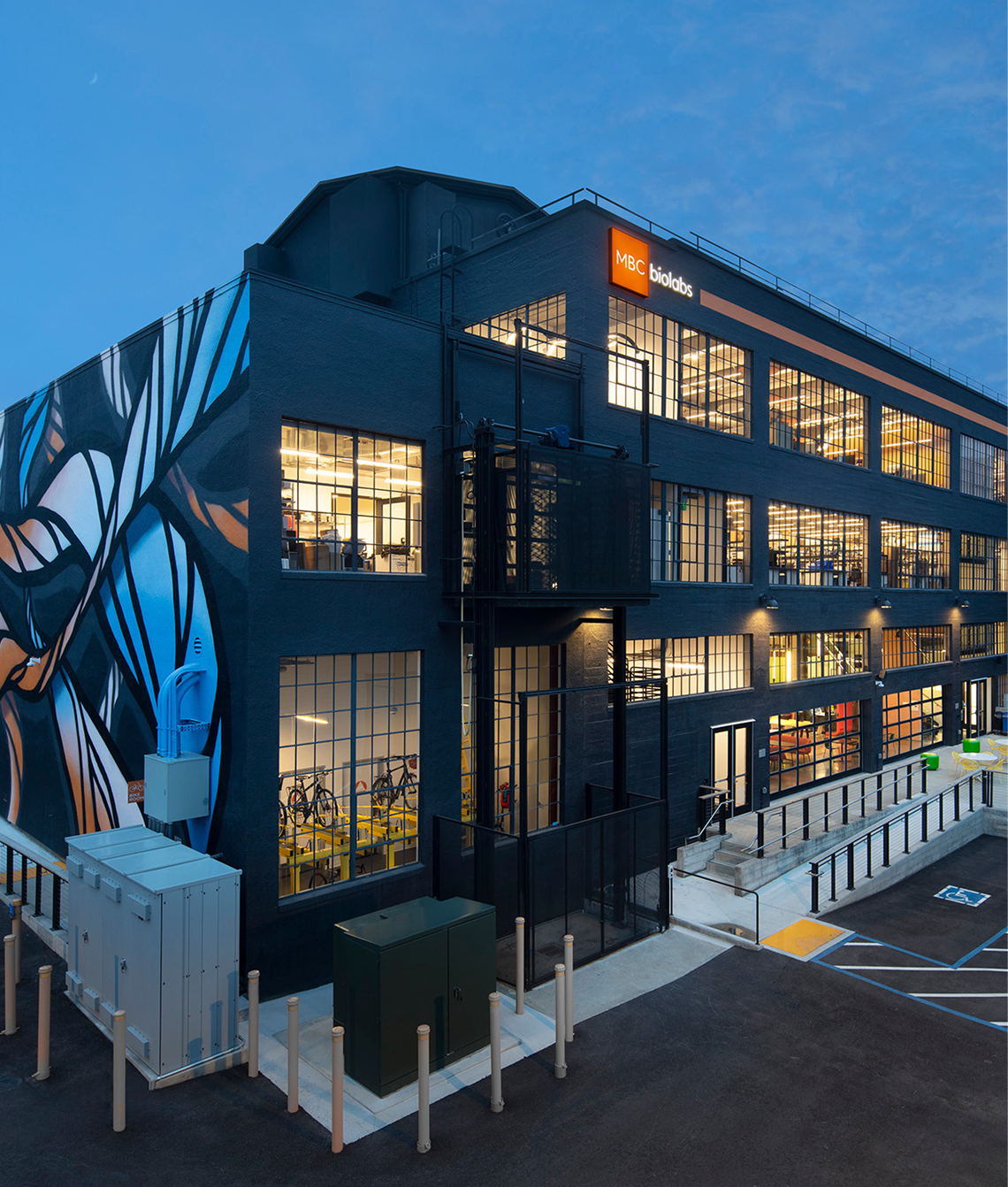
135 Mississippi Street
San Francisco, CA 94107
Opal Is Supported By