Future of Biotech: Organoids
FDA Modernization Act 2.0
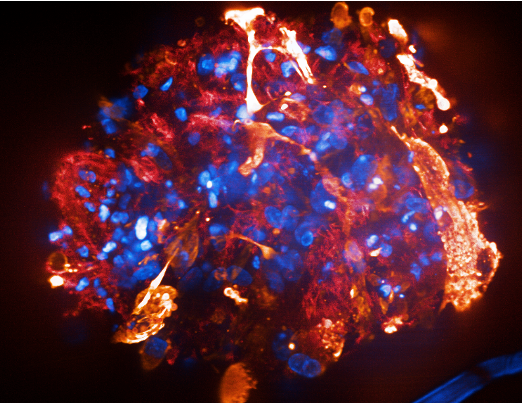
Last week, the FDA announced a historic shift in how it evaluates new drugs, particularly monoclonal antibodies , by phasing out traditional animal testing in favor of New Approach Methodologies (NAMs) like AI modeling and organoid-based assays. For those of us working at the cutting edge of human-relevant research, this is more than regulatory news , it’s a gigantic signal that the future of drug development is here, and it’s human-centered.
For those not steeped in benchwork or FDA alerts: “organoids” are 3D clusters of human cells that mimic the structure and function of real organs. They’re used to screen drugs and model disease with far greater accuracy than conventional 2D cultures or rodent models. Because they’re derived from human tissue, organoids hold far greater potential for translating preclinical findings into successful clinical outcomes.
At Opal Therapeutics, the FDA’s announcement couldn’t be more aligned with our mission. Rodent models fail to capture the complexity of female reproductive biology — rodents don’t even menstruate — and yet these models remain the default in women’s health research. We’re changing that — Opal is building a “uterus-in-a-dish” platform using patient-derived uterine organoids to power drug screening and disease modeling. Our organoids models key aspects of the uterus for gynecological conditions like endometriosis and fibroids. Because our organoids are derived directly from patients, the resulting data is highly specific, personalized, and human-relevant.
Uterine organoids remain one of the most untapped opportunities in biotech. While a few academic labs are beginning to explore their potential, the industry is only now catching on. Women’s health is a massive, underserved market — and the move away from outdated animal models opens the door to a new generation of smarter, safer therapeutics. The FDA’s announcement marks a turning point and Opal is already ahead of the curve. We’re building one of the first commercial biobanks of uterine organoids, integrating synthetic menstrual blood, and AI-powered phenotyping to deliver truly human-centered tools. Organoid companies like HUB Organoids (just acquired by Millipore Sigma!), Frontier Bio, and Molecular Devices are helping blaze the trail in this space and Opal is doing the same for women’s health.